
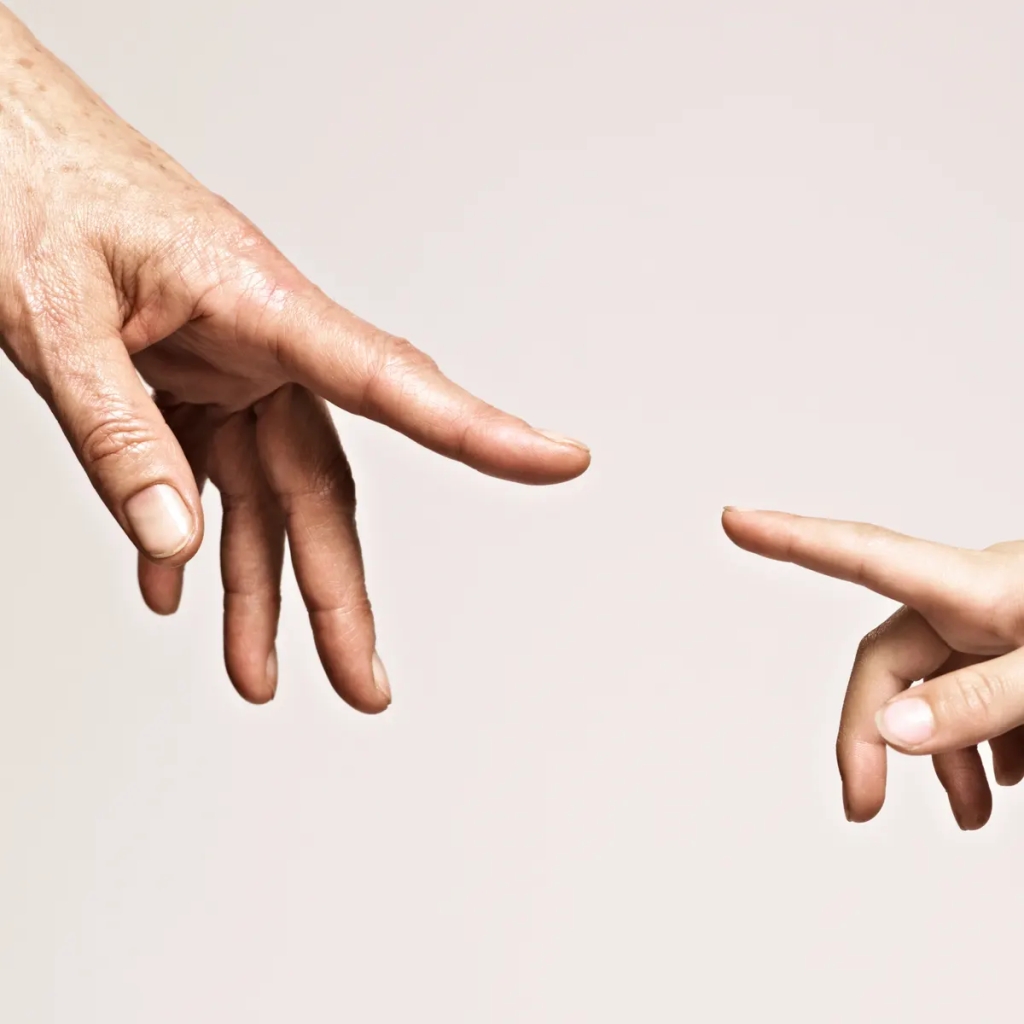
It’s been a while since I blogged about complex regional pain syndrome. I’ve just finished an article for New Zealand Massage Magazine and wanted to share it with my wider readership. Where the article does have a massage focus, there are many professions that continue to use massage in their day to day practice, including physiotherapists. Have we hastily retreated from using medians of care delivered through touch without fully understanding its diverse application? Read on to find out.
Complex Regional Pain Syndrome (CRPS) is an enigmatic and debilitating condition that challenges our understanding of pain and its management. This perplexing pain disorder, which shares parallels with “phantom pain” (Chang et al., 2021) or has been described as being “worse than childbirth or limb amputation” (Khalil, 2020) is characterized by relentless pain and a multitude of sensory, motor, and autonomic disturbances. CRPS is a tricky condition to manage, and current trends suggest that a multi-modal approach to its management is in line with best practice. Where empirical research suggests that physiotherapy and occupational therapy are fundamental parts of the multi-disciplinary team, it has been expressed, in qualitative research, that massage plays an important role in offering comfort and solace to those living with the condition (Johnston-Devin et al., 2021). From here, I wish to explore two streams. Firstly, to briefly outline the complex interplay of clinical signs and symptoms of CRPS, and the use of diagnostic criteria, risk factors and biomarkers to determine its medical legitimacy, and secondly, examine the therapeutic potential of massage through biophysical and phenomenological perspectives.
The Enigma of Complex Regional Pain Syndrome
CRPS defies conventional medical classification and in many cases medical treatment. It emerges unexpectedly, often following an injury or trauma, but can also occur spontaneously, and shrouds the affected individual in an overwhelming cacophony of pain and sensory distortions (Chang et al., 2021). The clinical signs and symptoms of CRPS encompass a wide spectrum of manifestations, from sensory disturbances that blur the lines between perception and reality to motor dysfunction that compromises even the most basic activities of daily living (Bruehl, 2015). CRPS’s elusiveness is clinically determined by the use of the Budapest diagnostic criteria (Harden et al., 2007), which remain subject to debate and interpretation. More recently, research has demonstrated risk factors and specific biomarkers linked to particular sub-groups of patients with CRPS, with the intention these can assist in providing individualized treatment.
The Budapest Diagnostic Criteria, risk factors and biomarkers
Diagnosing CRPS is fraught with challenges. The term is misrepresented within medical and allied health circles that are unfamiliar with the risk factors and clinical features of the condition. Clinically, the established Budapest criteria, bring clarity to the diagnostic process, and introduce a structured approach by categorizing clinical signs and symptoms into sensory, vasomotor, sudomotor/edema, and motor/trophic criteria (Harden et al., 2007). However, the diagnostic journey remains fraught with challenges, as CRPS often evolves and manifests differently in each individual. In an attempt to tackle these challenges and better understand the condition, research has made significant progress in determining risk factors and biomarkers that can assist in individualising treatment. One of the most robust risk factors for development of CRPS is the reporting of an unusually high level of pain (above 5/10 on a numerical pain rating scale) the first week after injury (Moseley et al., 2013). Biomarkers are identified from a broad range of characteristics including neuropsychological, psychophysical, blood and serum, skin biopsy and genetics(Birklein et al., 2018). This type of testing requires laboratory investigation and can be impractical and costly, and despite the emergence of biomarkers diagnosis is determined by clinical criteria. This diagnostic ambiguity underscores the need for innovative approaches that delve beyond clinical criteria and into the individual lived experiences of people living with CRPS.
Massage Therapy in CRPS: A Healing Connection
As a practice, massage therapy traces its lineage through centuries of healing traditions. Regarded as the most primary sense of all creatures, touch is not a singular sense like sounds is to hearing or colour is to sight. Touch is multiple in that it senses temperature, moisture, texture, weight, pressure, movement and vibration (Purves, 2017). Beyond its sensory qualities, touch has psychological and sociological qualities that offer compassion, connection, comfort and care. Through the gentle, compassionate touch of skilled therapists, individuals with CRPS find solace amidst their suffering. Massage therapy has the potential to ease pain, enhance sensory integration, and provide a respite from the emotional burden of CRPS.
Biophysical integration: Sensory desensitization
Desensitization techniques are common practice in many rehabilitation approaches. The intention behind these techniques is to aim to decrease the painful response to touch and improve functional tolerance. The activation of large myelinated A-fibers are the target of desensitization approaches whereby touch and vibration override unmyelinated c-fibers affecting gate control at the level of the spinal cord (Skirven et al., 2020). However, CRPS is not primarily driven by peripheral mechanisms and does not reside solely in a nociceptive classification. It manifests through an ensemble of multiple systems involving neuroimmune, autonomic and supraspinal nervous systems, residing in a nociplastic pain classification which can have nociceptive and neuropathic overlay (Kosek et al., 2021). Typical features of nociplastic pain classifications involve amplified central pain mechanisms and can be observed clinically as allodynia (pain due to a stimulus that does not usually provoke pain) and hyperalgesia (increased pain from a stimulus that usually provokes pain). As such, it does not make physiological sense due to amplified central mechanisms to perform sensory desensitisation directly to the limb if hoping to achieve habituation. These popular techniques may well result in further amplification of central nervous system and the all too familiar flare up.
What then might be the alternative? A novel approach to sensory desensitization is through a method developed by the Occupational Therapist, Claude Spicher (Spicher, 2003). His somatosensory rehabilitation method (SRM) works on the principle of restoring somatosensory nervous system function by treating the cutaneous nervous system. The method works by counter stimulating areas of skin that are fed by cutaneous nerves which converge on the same nerve that has a cutaneous branch to the affected CRPS limb (see figure 1). For example, the palmar cutaneous branch of the median nerve demonstrates a strong allodynic response to testing. Therefore, treatment would involve counter stimulation of a more proximal cutaneous area (lateral antebrachial cutaneous nerve) fed by the same major nerve or same cord of the brachial plexus. Assessment of the affected limb involves the use of thin monofilaments to assess and determine the most painful area of the affected limb. Then using SRMs 3 core elements: distant vibrotactile counter stimulation, application of therapeutic vibration, and avoidance of any touch stimuli that evoke pain (Packham et al., 2018), a treatment regime would be carried out for a undetermined period. The method suggests that once a reduction in allodynia is noted, the client can begin a process of exposure to functional tasks and activities of daily living. SRM is bedded within the principles of neuroplasticity, this approach aims to recalibrate the sensory nervous system and reintegrate the affected limb into the patient’s lived experience.
Whilst this appears a far cry away from traditional massage, this method involves the principles of touch which is a fundamental part of any massage practice. It asks the massage therapist to upskill in the nervous system and to read extensively around the topic of neuropathic pain and complex regional pain syndrome, however this is not beyond the ability of massage therapists as the treatment target of SRM and indeed massage therapy is the skin, muscles, circulation and nerves. When you broaden your perspective towards what massage therapy is providing to tissues it affects all the systems mentioned. Additionally, when we zoom out and consider the wider impact massage therapy has on the individual living with pain, there is a call to embrace and understand the deeper lived experience.
Phenomenology: A Window into the Lived Experience
In our pursuit to unravel CRPS’s complexities, it is imperative that we heed the voices of those who grapple with the condition. The phenomenological dimension of CRPS reveals the human side of the syndrome—the raw, unfiltered experiences of individuals living with constant, often inexplicable pain. Through their narratives, we gain insights into the profound impact of CRPS on quality of life, how they are plagued by frustration, loss, guilt, unpredictability and injustice (Johnston-Devin et al., 2021). Living with CRPS has been described as a “constant battle” where CRPS is seen as “the enemy”(Johnston-Devin et al., 2021). Through understanding the individual and their journey reveals a relentless quest for relief and understanding. Relief and understanding of an individual’s suffering should not be dismissed by the dominance and positivist position of evidence-based medicine. In a time of patient-centred care there is a need to legitimise and validate the struggle of individuals living with CRPS, and for some living with the condition, massage and the act of therapeutic touch can provide a form of solace and comfort. It is here we now turn to a critical analysis of touch and explore innovative and creative approaches to touch that reside within the massage therapists scope of practice.
The act of touch: beyond the biophysical
The act of touch is a fundamental and complex aspect of human interaction that extends beyond the realm of mere physical contact. In physiotherapy, touch is predominantly considered a bio-physical phenomenon, adopting Western scientific beliefs, and moulding physiotherapy education, with its strong focus on tissue anatomy, physiology, pathology, kinesiology, and biomechanics. Touch forms the basis of objective assessment, testing, and differential diagnosis, and underpins the profession’s physical approach to treatment. But with the adoption of the biopsychosocial model and the emergence of pain science, a rift has occurred in the profession questioning the value of touch and “hands on” physical treatments (Kerry, 2019; Zusman, 2013). This limited view of touch cannot explain the subjective experience of being caressed, stroked, squeezed, and stretched or even being touched by kind words or acts of kindness, or touched by a captivating piece of music (Putman, 1985).
Described by the French phenomenologist, Merleau-Ponty as a vital part of our “being,” touch has been an important component of phenomenology. He viewed touch as an integral part of our overall perception, believing that the world is not detached or separate from our physical bodies but is deeply intertwined with the world (Hoel & Carusi, 2018). His concept of embodied perception was reified through the act of touch because it is the only sense that is responsible for our direct contact with the external world. Through touch, we gain an immediate sense of our body’s boundaries and its interactions with objects and surfaces in the world. Merleau-Ponty argued that touch is not isolated from other senses like vision and hearing. Instead, these senses work together to provide us with a unified and coherent perception of our surroundings (Bannon, 2011). For example, when we touch an object, our visual perception of that object also informs our understanding of its shape, texture, and spatial location.
In the context of massage, both the therapist and the recipient are acutely aware of their bodies and the tactile sensations involved. The massage therapist uses their hands, along with their own embodied awareness, to engage with the recipient’s body. The recipient, in turn, experiences the massage through their own bodily sensations, creating a deeply embodied interaction. To deepen the experience, the massage therapist could prompt the recipient to connect with the sensations experienced shifting the attention away from being a passive recipient seeking relief to an active participant engaging with the sensations in and around their body. This acutely focussed approach aligns with Merleau-Ponty’s view of sensory integration and the sense of embodiment.
Consider the impasse an individual living with CRPS encounters when faced with touching the world through their affected limb. Perhaps an alternative view for massage therapists is to explore and reflect on massage therapy as an embodied practice, how through the act of touch and massage form connections with people and provide ways for people living with CRPS to enhance their awareness of their bodies.
Conclusion
Despite medical science routinely referring individuals living with CRPS to physiotherapy or occupational therapy for rehabilitation, there is a predominance of empirical methods from these profession that focus on the disease components of CRPS. An increasing literature base from qualitative research demonstrates individuals continue to feel unheard and are denied care that permits people to have moments of respite from pain or to promote engagement with the external world. Where it may appear that massage therapy has little to offer this complex pain problem, it is the author’s hope that this brief article has offered insights into where massage can play a role in touching an impossible thing and perhaps sparks some ideas into how massage therapists can conceptualise a practice otherwise.
References:
Bannon, B. E. (2011). Flesh and nature: Understanding merleau-ponty’s relational ontology. Research in Phenomenology, 41(3), 327–357. https://doi.org/10.1163/156916411X594431
Birklein, F., Ajit, S. K., Goebel, A., Perez, R. S. G. M., & Sommer, C. (2018). Complex regional pain syndrome-phenotypic characteristics and potential biomarkers. In Nature Reviews Neurology (Vol. 14, Issue 5, pp. 272–284). Nature Publishing Group. https://doi.org/10.1038/nrneurol.2018.20
Bruehl, S. (2015). Complex regional pain syndrome. British Medical Journal, 350. https://doi.org/10.1136/bmj.h2730
Chang, C., McDonnell, P., & Gershwin, M. E. (2021). Complex regional pain syndrome – Autoimmune or functional neurologic syndrome. In Journal of Translational Autoimmunity (Vol. 4). Elsevier B.V. https://doi.org/10.1016/j.jtauto.2020.100080
Harden, R. N., Bruehl, S., Stanton-Hicks, M., & Wilson, P. R. (2007). Proposed new diagnostic criteria for complex regional pain syndrome. Pain Medicine, 8(4), 326–331. https://doi.org/10.1111/j.1526-4637.2006.00169.x
Hoel, A. S., & Carusi, A. (2018). Merleau-Ponty and the Measuring Body. Theory, Culture and Society, 35(1), 45–70. https://doi.org/10.1177/0263276416688542
Johnston-Devin, C., Oprescu, F., Gray, M., & Wallis, M. (2021). Patients Describe their Lived Experiences of Battling to Live with Complex Regional Pain Syndrome. Journal of Pain, 22(9), 1111–1128. https://doi.org/10.1016/j.jpain.2021.03.151
Kerry, R. (2019). Hands-on, hands-off: is that even a thing? InTouch, 167(Summer), 9.
Khalil, S. (2020, January 14). Teen’s seemingly innocent ankle injury sparks pain disorder rated ‘worse than childbirth.’ News.Com.Au.
Kosek, E., Clauw, D., Nijs, J., Baron, R., Gilron, I., Harris, R. E., Mico, J. A., Rice, A. S. C., & Sterling, M. (2021). Chronic nociplastic pain affecting the musculoskeletal system: clinical criteria and grading system. In Pain (Vol. 162, Issue 11, pp. 2629–2634). Lippincott Williams and Wilkins. https://doi.org/10.1097/j.pain.0000000000002324
Moseley, G. L., Herbert, R. D., Parsons, T., Lucas, S., Van Hilten, J. J., & Marinus, J. (2013). Intense pain soon after wrist fracture strongly predicts who will develop complex regional pain syndrome: Prospective cohort study. Journal of Pain, 15(1), 1–8. https://doi.org/10.1016/j.jpain.2013.08.009
Packham, T. L., Spicher, C. J., MacDermid, J. C., Michlovitz, S., & Buckley, D. N. (2018). Somatosensory rehabilitation for allodynia in complex regional pain syndrome of the upper limb: A retrospective cohort study. Journal of Hand Therapy. https://doi.org/10.1016/j.jht.2017.02.007
Purves, A. (2017). Touch and the Ancient Senses (A. Purves, Ed.). Taylor & Francis.
Putman, D. A. (1985). Music and the Metaphor of Touch. The Journal of Aesthetics and Art Criticism, 44(1), 59. https://doi.org/10.2307/430539
Spicher, C. (2003). Handbook for Somatosensory Rehabilitation. Sauramps Medical, Genève, Paris.
Skirven, T. M., Osterman, A. L., Fedorcyzk, J., Amadio, P. C., & Felder, S. (2020). Rehabilitation of the Hand and Upper Extremity (seventh). Elsevier Health Sciences.
Zusman, M. (2013). Hands on, hands off? The swings in musculoskeletal physiotherapy practice. Manual Therapy, 18(3), e13. https://doi.org/10.1016/j.math.2013.01.003

 The Naked Physio / The curiouser
Leave a Reply